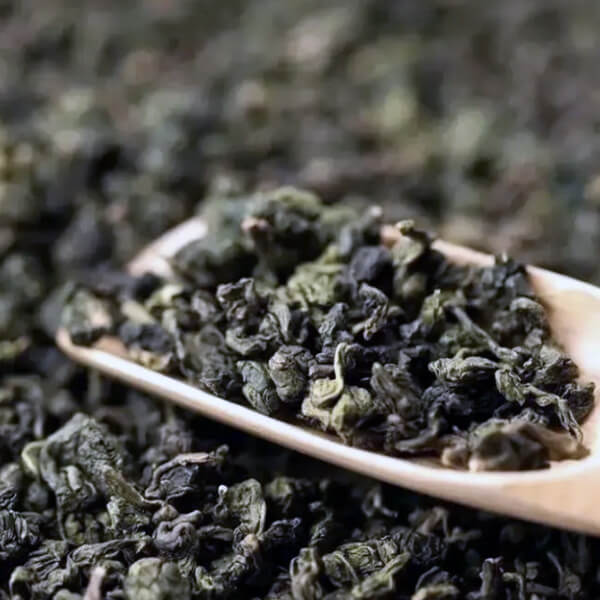
Tieguanyin tea is one of the famous oolong teas in China, originating from Anxi County, Fujian Province. It has a unique Guanyin flavor, elegant and long-lasting aroma, and rich and sweet taste. Tieguanyin is both the name of the tea and the name of the tea tree species, belonging to the semi-fermented tea. The following is a detailed introduction to Tieguanyin tea:
1. Properties and features
- tea plantTieguanyin is an oolong tea, between green tea and black tea, and is mild in nature.
- tea plant variety: Tieguanyin refers to both the name of this tea and a variety of tea plant.
- fragrance: Tieguanyin has a rich and elegant aroma, often with natural orchid and fruity flavor, which is refreshing.
- texture (of food)The flavor is mellow and sweet, the tea broth is smooth in the mouth and has a unique "Guanyin Rhyme".
- color of soup: High-quality Tieguanyin tea soup color is golden and translucent with greenish tones and clear texture.
2. Production process
The production process of Tieguanyin is complex and delicate, and the main processes include:
- pluck: Tieguanyin is harvested with open face picking standard, i.e. one bud, three or four leaves, to ensure the maturity of the leaves and the richness of the inclusions.
- sun-dried green: Fresh tea leaves are spread out in the sunlight to make the leaves lose water properly and soften for the next step of the process.
- cyanide (loanword): This is a unique process of Oolong tea, by shaking the tea leaves, the leaf margins are damaged and then show red edges and green leaves in the subsequent fermentation. The time and number of shaking affects the aroma and flavor of the tea.
- finalize: The tea leaves after shaking are killed at high temperature to inhibit the enzyme activity and fix the tea flavor.
- torture: Kneading the tea leaves into strips so that the tea juice adheres to the surface of the leaves and increases the concentration of the tea broth.
- knead: Put the tea leaves into a cloth bag and rub them into a ball with your hands to make the tea leaves firm into strips.
- cure by drying over a fire (tea, meat etc): Tieguanyin is roasted several times to produce a stable aroma and flavor, culminating in a finished tea.
3. Classification of Tieguanyin
Tieguanyin presents a rich variety of types and flavors depending on the method of preparation, degree of roasting, and seasonal harvesting:
- Tieguanyin: Unroasted or lightly roasted, with a rich aroma and light yellow soup color.
- Strong-flavored Tieguanyin: Medium-roasted, with a rich, long-lasting aroma and mellow flavor for early fall.
- Aged Tieguanyin: High-roasted Tieguanyin with a special aged aroma and rich flavor.
4. Value and efficacy
- Health Benefits: Tieguanyin is rich in amino acids, vitamins, and tea polyphenols, which help antioxidant, refreshing and stimulate metabolism, and have health effects.
- lose weight by lowering fat: Oolong tea contains more tea polyphenols and caffeine, which can help break down fat and is helpful for weight loss and regulating blood lipids.
- collector's item: Tieguanyin can be stored for a long time after many times of roasting, especially the strong flavor Tieguanyin and aged Tieguanyin, the longer the time, the stronger the aged flavor.
5. How to choose Tieguanyin
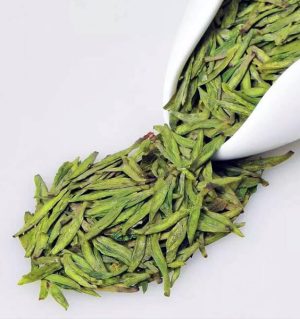
- Look at the color of the dried tea: High quality Tieguanyin's dried tea is sandy green or dark green in color with luster. Avoid choosing teas that are dull in color or have mixed colors.
- scent: The aroma of new tea is fresh with orchid or fruity flavor, the clean type has a rich and long lasting aroma, while the strong type has a baking aroma. High-quality Tieguanyin has a strong aroma, with no moldy or smoky smell.
- see the shape of the leaf: Tieguanyin tea leaves are in the shape of curled spirals, with plump leaves and well-balanced strips. Avoid teas with more fragments or irregular shapes.
- Look at the color of the soupTieguanyin tea broth is golden yellow or honey green in color, clear and bright. Inferior tea broth color is dull or turbid.
- savorQuality Tieguanyin has a sweet taste in the mouth, a sweet aftertaste, a refreshing taste in the mouth and a long throat; if the tea tastes bitter and astringent or sour, it is of lower quality.
6. Storage method
- Low temperature storage: Tieguanyin's aroma is more easily dissipated, it should be sealed and packaged in a refrigerator for low temperature storage.
- keep away from light and moisture: Tieguanyin should be kept out of direct sunlight and humid environments to avoid deterioration of the tea.
- seal and preserve: Tieguanyin is highly adsorbent and it is recommended to use an airtight container to avoid absorbing odors.
7. How to drink Tieguanyin
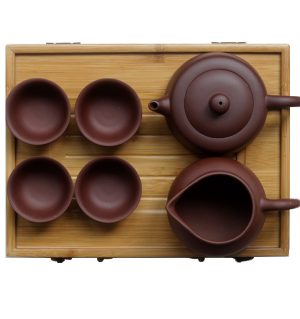
- brew in a covered bowl: The most commonly used brewing method that brings out the tea aroma better. Place Tieguanyin in a gaiwan bowl and brew with water at around 95°C. The soup comes out quickly to maintain the tea's aroma and refreshing taste.
- very concentrated type of tea consumed in Chaozhou, Fujian and Taiwan: A traditional brewing method from Fujian and Guangdong, using work tea utensils and emphasizing the change in flavor with each brew.
- fit: Tieguanyin tea has a strong taste and is suitable for pairing with some light snacks, such as green bean cake and peanuts, which help to equalize the bitterness in the tea.
Tieguanyin is loved by tea lovers for its unique aroma and sweet taste. When purchasing, you should pay attention to the color, aroma, shape, soup color and taste of the tea leaves, while choosing different flavors of Tieguanyin according to your personal preference, such as clear, strong or aged.
 简体中文
简体中文  繁體中文
繁體中文  English