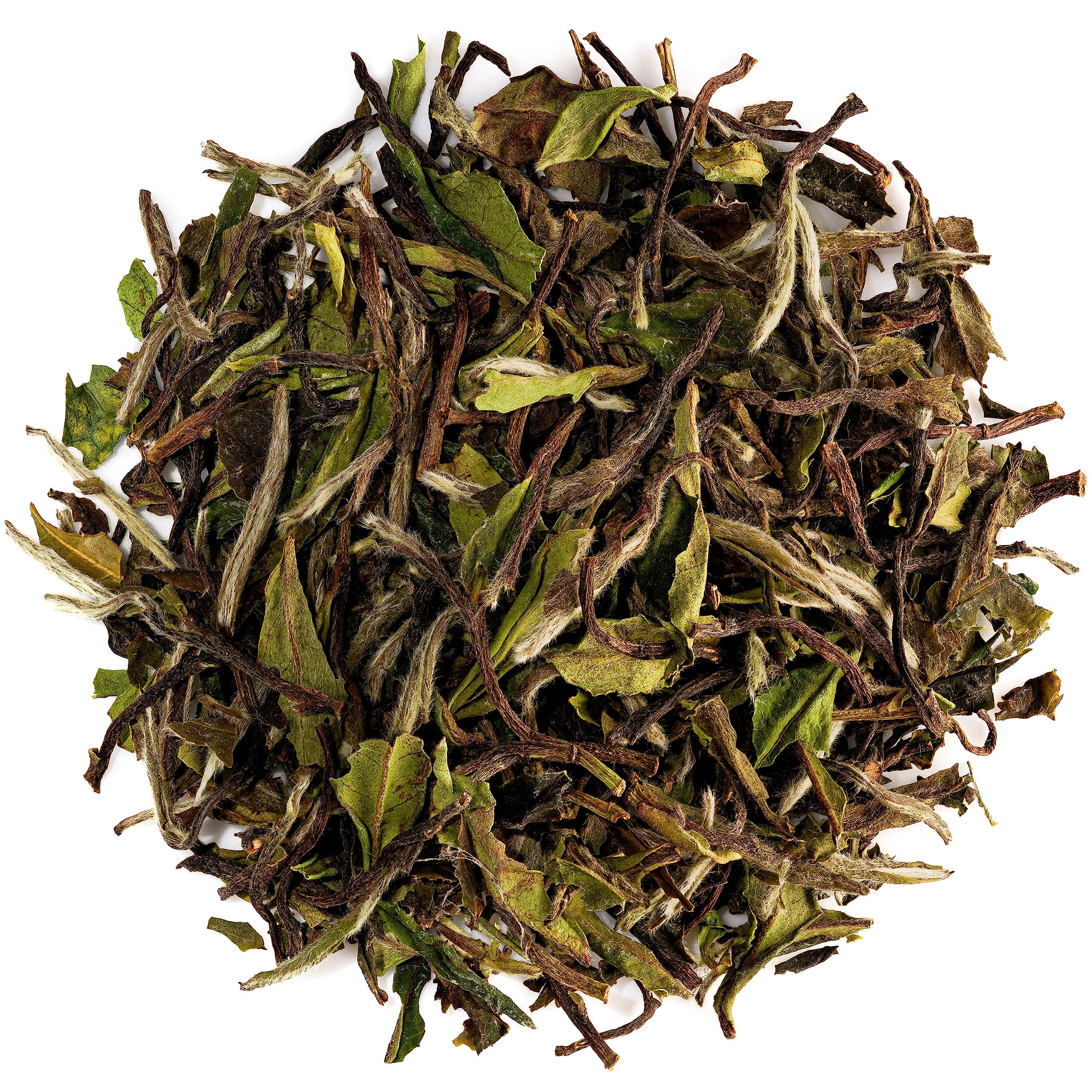
White tea is one of the six major types of tea in China, known for its elegant flavor and natural processing. White tea is mainly produced in Fuding, Zhenghe and Songxi in Fujian Province, China, and is also grown in parts of Yunnan Province. It adopts a special production process, without twisting and frying, and is known as the most "original" tea. Representative varieties of white tea include White Hair Silver Needle, White Peony, Gong Mei and Shou Mei. Below is a detailed description of white tea:
1. Properties and features
- tea plant: White tea is a slightly fermented tea, which is cool in nature and suitable for people with a mild constitution.
- tea plant varietyFujian Big White Tea, Fujian Daffodil Tea, Yunnan Big Leaf Tea, etc. can be used to make white tea.
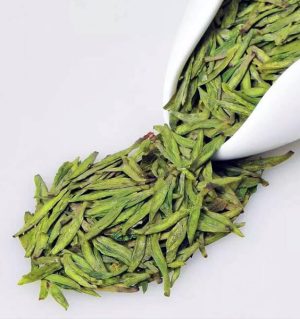
- contourWhite tea has a loose and natural shape, with white fuzz on the tea leaves. White Hair Silver Needle has a particularly beautiful appearance, with a distinctive silvery-white luster.
- fragrance: The aroma of white tea is light and fresh, with a natural floral or medicinal flavor, and becomes more mellow as it ages.
- texture (of food): White tea is sweet and mellow in the mouth, with a slight sweetness, and the tea broth is refreshingly sweet. Aged white tea has a stronger flavor with a unique medicinal aroma.
- color of soup: New white tea soup color is clear and light yellow, with the increase of aging time, the soup color gradually becomes orange or amber.
2. Production process
The process of making white tea is simple and natural and consists of the following steps:
- pluckWhite Tea: White tea is usually picked from the buds in early spring, and the standard of picking varies according to different varieties. White Hair Silver Needle requires only the buds to be picked, while White Peony picks one bud and one leaf or one bud and two leaves.
- withered: This is the core process of white tea production, in which the picked tea leaves are naturally withered in a well-ventilated place so that the water gradually evaporates. The length of withering time will affect the aroma and flavor of the tea.
- uninteresting: The withered tea leaves are dried at low temperatures to preserve the natural aroma and nutrients of the tea leaves. The traditional process also uses charcoal or sunlight to further dry the tea leaves to increase the aging aroma.
- save: After drying, white tea will be stored in a proper way for later aging. The taste and quality of white tea will gradually improve under good storage conditions.
3. Classification of White Tea
White tea is mainly categorized into the following types according to the different parts of harvesting and production processes:
- white hair silver needle (fine needle used in TCM): Made from single buds, silver-white in color and rich in velvet, it is the top variety of white tea.
- white peony: Made from one bud and one leaf or one bud and two leaves, the leaves are shaped like peonies, the soup is light yellow in color, and the taste is sweet and mellow.
- Mt Gongmei, capital of Sichuan (Tw): Made from more mature leaves and young buds, it is moderately priced and has a full-bodied tea flavor.
- frown for longevity: Made from the ripest leaves, the leaves are larger, with good resistance to steeping and a strong flavor with a medicinal aroma.
4. Value and efficacy
- health value: White tea is rich in nutrients such as tea polyphenols, amino acids and vitamins, which have the effect of clearing heat and moistening the lungs, antioxidant, improving immunity and aiding digestion.
- health effectsWhite tea is cool in nature, suitable for drinking to reduce fire and dryness, long-term drinking on white-collar workers, easy to fire people have better health effects.
- collector's itemWhite tea has the characteristic of "the more it ages, the more fragrant it is", especially the old white tea stored for many years, the aroma, taste and medicinal value will be enhanced, so it has a certain collection and investment value.
5. How to select white tea
- Look at the shape of the tea leaves: Good quality white tea leaves are intact, with white fuzz on the back of the leaves, straight tea buds and uniform shape. Avoid choosing tea with broken leaves or many impurities.
- scent: White tea has a natural and fresh aroma, with new white tea having a light floral or grassy scent, and old white tea having a strong medicinal scent. Avoid choosing tea that has a musty or strange odor.
- Look at the color of the soup: High-quality white tea is clear and transparent after brewing, new tea is light yellow, aged white tea is orange or amber color.
- savor: White tea is sweet and refreshing in the mouth with a slight aftertaste. Aged white tea has a more mellow flavor with a warm, medicinal aroma and a full-bodied taste.
- look at the underside of the leaf: The bottom of the leaves after brewing should be intact and soft, with clear buds and leaves and bright color, indicating that the tea leaves are tender and of good quality.
6. Storage method
- Low temperature storage: White tea is easily affected by the environment and deterioration, storage should be sealed and placed in a low temperature, keep dry, avoid light, avoid tea moisture absorption.
- seal and preserve: Use tin cans, ceramic cans or sealed bags to prevent white tea from adsorbing odors, especially for aged white tea.
- keep away from light and moisture: The storage environment should be kept cool and dry, avoiding direct sunlight to prevent the tea from discoloring or affecting the taste.
7. How to drink white tea
- brewing temperature: White tea is suitable for brewing with water temperature around 85℃, too high water temperature will destroy its delicate aroma.
- How to make tea: Brewing in a covered bowl will better reveal the aroma and flavor of white tea. Use 3-5 grams of tea leaves at a time.
- Number of brews: White tea is highly resistant to brewing, and high-quality white tea can be brewed more than 5 times in a row, and the brewing time can be gradually extended each time.
- fit: White tea has a light flavor and is suitable for pairing with some light-scented snacks, such as osmanthus cake and almond cake, which can better display the tea flavor.
White tea is widely loved for its natural processing and unique fresh aroma. When selecting, pay attention to the shape of the leaves, aroma and soup color. In addition, the aging effect of white tea has made it the first choice of many tea lovers and collectors.
 简体中文
简体中文  繁體中文
繁體中文  English